
How does working with elite artists differ from elite athletes?
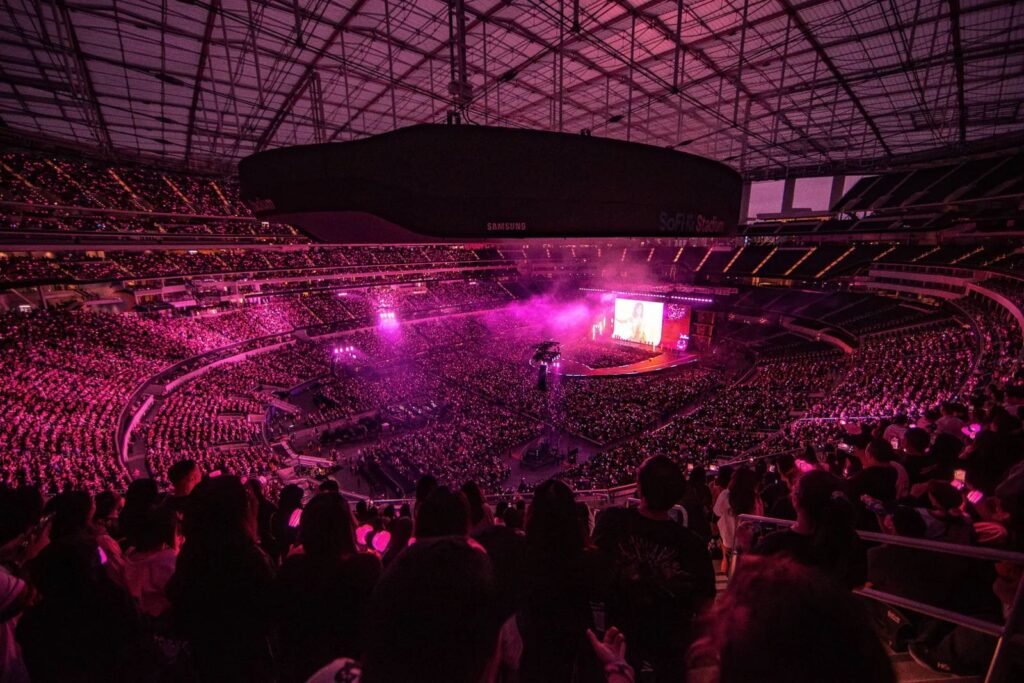
In recent years, my team at INTRA Performance Group and I have worked with a growing number of elite artists, including Oscar-winning actors and global music headliners.
I’m frequently asked about working with elite artists (or entertainers). Some of our work has been well documented in the media, however most remains extremely discreet.
There are some obvious similarities between the two groups. Both are elite performers, working under intense pressure, with significant travel, preparation, performance and recovery needs.
Most often, optimising physique and energy levels are the two most important priorities for elite artists.
However, as we will explore, there are multiple differences between the two in terms of the elite artist’s background experience with human performance services, nuance of their daily work and performances, and their calendar, which require a different support structure.
I often describe supporting an elite artist as the ‘same process, different wrapper’.
So what are the differences between the two?
Fame is an important consideration
Discretion is crucial for an elite artist, and this starts with the first meeting. In my experience, this is best conducted in an office, another discreet venue or via video call.
You want the artist to be relaxed and give yourself time to really connect in conversation, minimising other potential stressors (e.g. waiters, photographers).
Fame will permeate every part of the journey with the artist: the gym they go to, where they eat, where they shop and how they navigate social settings.
It’s a theme that they will want to discuss with you and your team.
Meetings have more range
Building rapport matters with elite artists. They will want to see that you ‘get them’, you can have an impact, and you are consistent (you deliver what you commit to). These are essential before trust is built.
Often, with elite athletes, consultations will be more linear, focusing on technical details on particular themes within nutrition, training, recovery and mindset.
The elite artist’s consultation will often have more range and can traverse creativity, identity, mood, relationships, confidence and the wider experience of performing at the highest level in the public eye.
They will want to know what works within different sporting settings and the types of challenges elite athletes face.
And they may take the consultation to some wonderful and unexpected places.
I believe your role is to explore these unexpected themes and places, as this is where some of the magic exists, while still maintaining enough structure to understand the changes which will have the biggest impact for them.
This can feel very different from working in elite sport, where the environment, performance language and expectations are often already well established.
Establishing the baseline can take longer
With an elite athlete, there is often a significant amount of information already available.
You may have years of training history, testing, medical records, body-composition data, competition schedules and established routines.
With an artist, the starting point can be less structured, and it can take time to build a clear baseline before moving forward.
This includes understanding their lifestyle, nutrition, how they recover, the rhythm of their work (creative deep work, preparation, rehearsals and performance), their training history and exercise habits, their different international bases and how travel is managed.
Before making any changes, it’s crucial to understand the reality of their life.
An artist may not understand their body as well
Most elite athletes have had years of structured support by the time they reach the highest level. They understand training and how their body responds to different types of work.
They have some understanding of nutrition for fuelling and recovery, and will have developed within a culture where human performance is central to everything they do.
For most elite artists, this structure does not underpin their development. They have not spent years in an athletic pathway/academy.
They may be performing at the highest level in the world while still having relatively little structured support around nutrition, physical preparation, recovery or performance psychology.
This requires meeting the artist where they are.
This might mean slowly starting a structured training programme; improving movement, adding some structure to their meals and snacks, and building some routine around waking and sleeping.
For some artists, prioritising nutrition might be the top priority. For others, it may be their recovery or training programme.
By setting up small, iterative changes (e.g. weekly), progress can feel controlled and not overwhelming.
Most importantly, this often requires setting up a system where a performer can start to subjectively recognise the signals: appetite, mood, energy and muscle soreness.
The programme can then be adapted accordingly.
Many arrive with battle scars
In a previous era, an unqualified professional may have managed almost everything performance-related: training, food, supplements, recovery, mindset, travel.
The wider entertainment industry, with its lack of governance, is still battling a focus on aesthetics and the extreme practices used to achieve them, including dieting, excessive training and the risk of Relative Energy Deficiency in Sport (RED-S).
Access to a high-profile individual can be over-leveraged. Professional boundaries may have been blurred. Confidentiality may not have been handled properly.
As a result, some artists arrive carrying genuine scepticism, and will take some time to rebuild trust in this part of their lives.
In my experience, trust is built through; discretion and confidentiality agreements, clear programming and consistent work, professional boundaries and a defined scope of practice – all geared towards achieving the artist’s goals.
Creativity is always a key question
In elite sport, performance can often be measured through relatively clear outputs.
These include competition performance metrics, availability, training output, strength, speed, recovery and body composition.
For an artist, performance may be harder to define. Creativity is often a vital currency.
The question is not simply how to improve physical energy or recovery.
It may also be:
When are they most creative? How do food, exercise and sleep affect their creative output? Should the working day be reorganised around the periods when they are most likely to create effectively?
The objective is to create an environment to allow them to produce their best work consistently.
Their performance calendar is completely different
An athlete normally works within a yearly performance cycle, broadly consisting of an off-season, pre-season preparation and an in-season period.
There is a known competition schedule, structured training and some degree of predictability.
For an elite artist, the performance cycle can look very different from role to role.
It may involve:
- weeks of filming;
- repeated night shoots;
- several live shows on successive nights;
- multi-leg international tours;
- long-haul travel;
- promotional commitments.
There may be periods of downtime followed by extremely intense physical and psychological demand.
It is key to understand the sum total of these demands before preparing a plan.
The elite artist may come for support leading into a tour or particular role. More recently, we are witnessing more elite artists engaging during their downtime between roles to work on themselves as they continue to grow.
Preparation is unique to the artist
Specific preparation before a performance or project can also vary significantly.
For an actor, eating, training and living more like their character may become an important part of the process.
The preparation may help them develop the psyche required for the role, not simply change their appearance.
For a musician, the objective may be different. They may want to prepare more like an athlete to develop the physique, physical capacity and recovery needed for a tour.
A live show can be highly demanding, particularly when repeated across several nights and cities.
The challenge is to support the artistic objective without compromising health, cognition, mood or longer-term performance.
The artist agrees the strategy, their team make it happen
Elite artists usually want to understand the rationale behind the strategy.
This will often involve testing elements beforehand (e.g. caffeine dose and timing before a performance, or light exposure when on tour).
Once the direction is agreed, however, much of the implementation may sit with the wider team, including management, personal assistant, tour manager, chef, production team, security and family members.
Touring logistics may determine when and where food is available.
A production schedule may determine when training, meals and recovery can be organised. An assistant may need to coordinate appointments, equipment or travel arrangements.
The practitioner’s role is therefore not only to advise the artist.
It is to translate the strategy into something the surrounding team can deliver consistently, without creating unnecessary friction.
The same standard, but a different model
The unique demands, working environment, and definition of performance are all different.
But elite artists require a similar process and tools to answer the questions that arise during their unique performance journey.
Our best and most impactful work with elite artists over multiple years has involved building a performance system around the person, their craft and the reality of their life.
Elite artists and athletes share the mindset required to reach the top of their industry. They want you to provide the knowledge and tools to achieve this, consistently.
James Collins
—
James Collins is the Founder and Managing Director of INTRA Performance Group, providing strategic human performance and nutrition support to elite performers and organisations across Europe and the US.
Over the last twenty years, he has worked across elite sport and entertainment, including with Oscar-winning actors, global music headliners, Arsenal FC, Chelsea FC, England, France’s 2018 World Cup-winning team, UEFA and Team GB athletes across four Olympic Games.
James led the UEFA Expert Group Statement on Nutrition in Elite Football, is the author of The Energy Plan published by Penguin Random House, and is a former President of the Royal Society of Medicine’s Food and Health Forum.